
Search for something particular...
Type in what you are looking for below...
NDFEB Magnets
FAQs
What is demagnetisation?

Understanding demagnetisation
Demagnetisation is when a magnet loses its external magnetic field when it is in an open circuit. Demagnetisation can happen through physical stress or corrosion, by exposing the magnetic material to a strong demagnetising magnetic field, or through heating the magnet past its maximum operating temperature. Most neodymium magnets can’t be remagnetised once they have lost their magnetic properties.
Significance of Demagnetisation
Understanding demagnetisation is crucial in several fields. For example, in industries like electronics, demagnetisation must be considered when designing and using magnets in devices. Proper materials and techniques must be chosen to ensure that magnets maintain their properties over time.
How are the magnetic poles of a magnet determined?
The magnetic poles of a magnet are determined based on its magnetic field lines. These invisible lines form loops from the north pole to the south pole, both inside and outside the magnet. When suspended freely, a magnet will align itself along the north-south direction, with its north pole pointing towards the Earth's geographic north and its south pole towards the geographic south.
Preventing Demagnetisation
Preventing demagnetisation involves selecting the right magnet material, protecting magnets from extreme conditions, and minimising exposure to strong external magnetic fields. Regular testing and maintenance can also help detect and address demagnetisation in critical applications.
Causes of Demagnetisation
Several factors contribute to the demagnetisation of magnets:

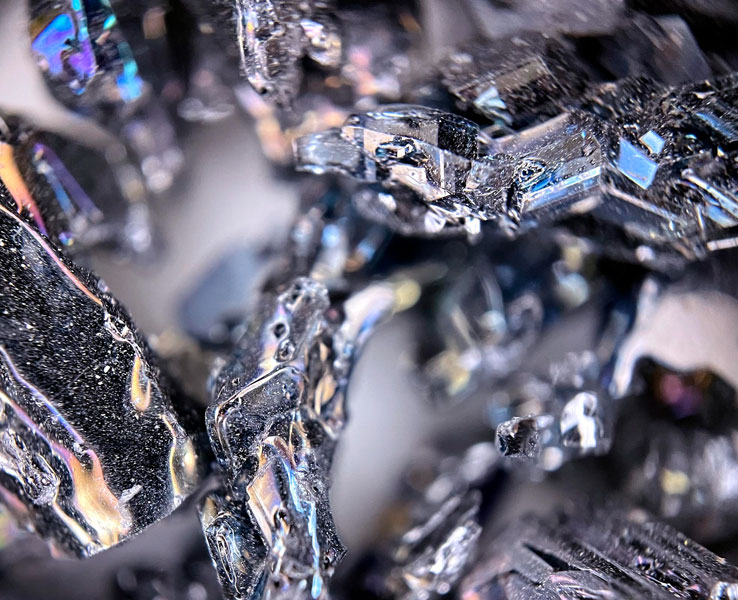
The importance of taking appropriate precautions
Demagnetisation is a natural phenomenon that affects magnets over time. Understanding its causes and effects is crucial in various fields, from engineering to geophysics and medicine. By taking appropriate precautions and selecting the right materials, we can minimise the impact of demagnetisation and ensure that magnets continue to serve their essential roles in our technological world.
Got any questions? Speak to us
Get in touch with our experienced team – we can work with you to create bespoke, complex and practical solutions that work
ADDRESS:
1, Allée des trois Jeannettes, 16200, Jarnac, France
EMAIL:
PHONE NUMBERS:
+33 (0)5 45 83 99 59
+33 (0)6 21 96 41 12