
Search for something particular...
Type in what you are looking for below...
Bespoke magnet manufacturer
FAQs
What is a dimensional tolerance?

What is a dimensional tolerance?
A dimensional tolerance is the maximum or minimum size allowed when machining magnets.
Dimensional tolerance refers to the allowable variation in the size, shape, and dimensions of magnetic materials or magnetised components. Ensuring that magnets meet specified dimensional tolerances is essential for their proper function and performance.
Dimensional tolerances for magnets are typically expressed in the form of numerical values, such as ±0.1 mm, indicating the allowable variation from the nominal dimension. They can also be specified as a percentage, fraction, or in other engineering units depending on the specific requirements and industry standards.
How are the magnetic poles of a magnet determined?
The magnetic poles of a magnet are determined based on its magnetic field lines. These invisible lines form loops from the north pole to the south pole, both inside and outside the magnet. When suspended freely, a magnet will align itself along the north-south direction, with its north pole pointing towards the Earth's geographic north and its south pole towards the geographic south.
What are some common examples of dimensional tolerances for magnets?
Dimensional tolerances for magnets can include specifications for dimensions like length, width, thickness, diameter, and even more complex shapes, depending on the magnet's intended use. For example, a common dimensional tolerance might be ±0.1 mm for a neodymium magnet's dimensions.
Why are dimensional tolerances important for magnets?
Dimensional tolerances for magnets are critical for several reasons:

How do manufacturers determine dimensional tolerances for magnets?
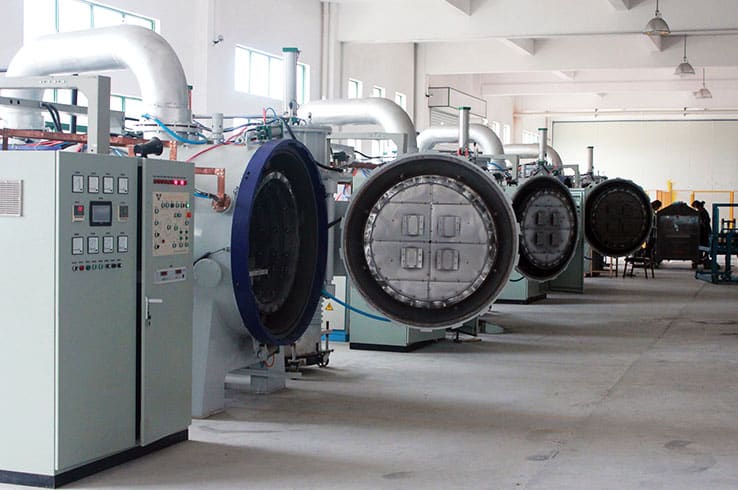
Manufacturers of magnets determine dimensional tolerances based on various factors, including the intended application, the magnet material's properties, production methods, and industry standards. These considerations help manufacturers set tolerances that meet the magnet's performance requirements and cost-effectiveness.
Got any questions? Speak to us
Get in touch with our experienced team – we can work with you to create bespoke, complex and practical solutions that work
ADDRESS:
1, Allée des trois Jeannettes, 16200, Jarnac, France
EMAIL:
PHONE NUMBERS:
+33 (0)5 45 83 99 59
+33 (0)6 21 96 41 12