
Search for something particular...
Type in what you are looking for below...
Sintered AlNiCo Magnets
FAQs
What is the magnetic orientation?
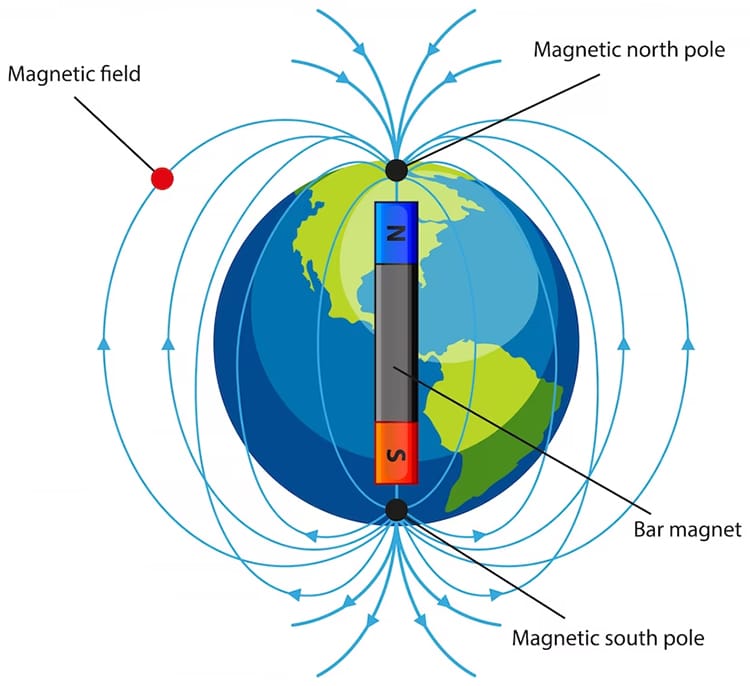
What is the magnetic orientation of a magnet?
The magnetic orientation of a magnet refers to the alignment of its magnetic poles concerning the Earth's magnetic field. All magnets have two poles, a north pole and a south pole, which exhibit attractive and repulsive forces when interacting with other magnets. The orientation of these poles plays a crucial role in the behaviour and functionality of the magnet.
How are the magnetic poles of a magnet determined?
The magnetic poles of a magnet are determined based on its magnetic field lines. These invisible lines form loops from the north pole to the south pole, both inside and outside the magnet. When suspended freely, a magnet will align itself along the north-south direction, with its north pole pointing towards the Earth's geographic north and its south pole towards the geographic south.
How are the magnetic poles of a magnet determined?
The magnetic poles of a magnet are determined based on its magnetic field lines. These invisible lines form loops from the north pole to the south pole, both inside and outside the magnet. When suspended freely, a magnet will align itself along the north-south direction, with its north pole pointing towards the Earth's geographic north and its south pole towards the geographic south.
Can a magnets' magnetic orientation be changed?
Yes, a magnets' magnetic orientation can be changed through various methods. One common technique is called magnetic reorientation, achieved by subjecting the magnet to a strong external magnetic field in the opposite direction. This process realigns the magnetic domains within the magnet, effectively reversing its polarity. Heating a magnet to a specific temperature known as the Curie temperature can also lead to a loss of magnetisation, causing it to become demagnetised.
What are the practical application of understanding magnetic orientation in magnets?
Understanding the magnetic orientation of magnets is essential for numerous applications in various industries, including:


How can I determine the orientation of a magnet?
Determining the magnetic orientation of a magnet is relatively straightforward. One simple method is to use a compass, which aligns itself with the Earth's magnetic field. Hold the compass near the magnet, and its needle will point towards the magnet's south pole, indicating the north pole of the magnet is in the opposite direction.
Can magnets lose their orientation over time?
In most cases, permanent magnets tend to retain their magnetic orientation over extended periods. However, certain factors like exposure to high temperatures, strong external magnetic fields, or physical shocks can cause temporary or permanent changes in a magnet's orientation. These conditions can lead to reduced magnetisation or complete demagnetisation.
How can I preserve the magnetic orientation of a magnet?
To preserve the magnetic orientation of a magnet, avoid subjecting it to extreme heat or strong magnetic fields. Store magnets away from electronic devices or credit cards, as strong magnetic fields can interfere with or damage sensitive components. Additionally, handle magnets with care to prevent physical damage that could alter their alignment.
Can I use magnets to find the Earth's magnetic north?
While magnets can align themselves with the Earth's magnetic field, they may not provide a precise indication of the geographic north. For accurate navigation, it's best to rely on a compass, which is specifically designed to point towards the Earth's magnetic north and assist with directional orientation.