
Search for something particular...
Type in what you are looking for below...
BESPOKE MAGNET MANUFACTURER
FAQs
What is bar magnet?
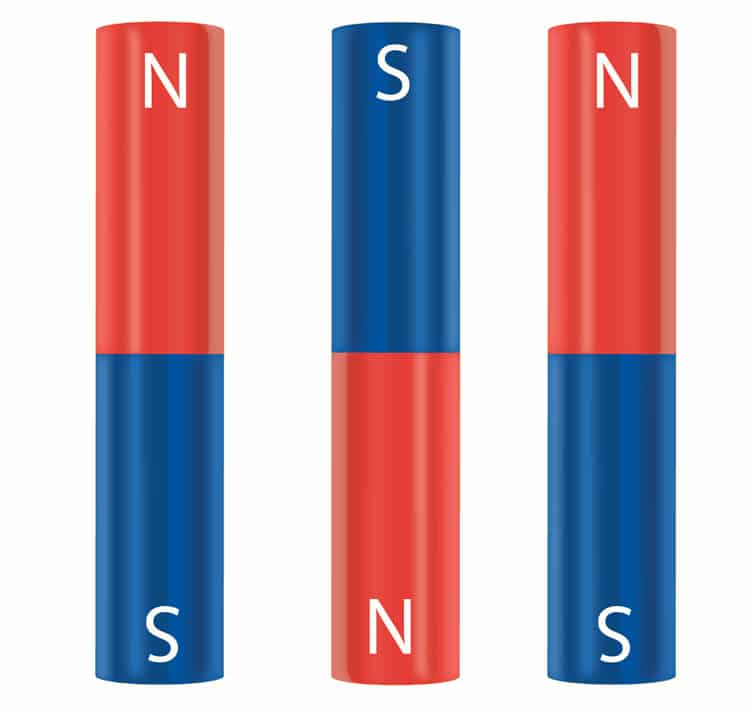
What is a bar magnet?
A bar magnet is a permanent magnet and has a magnetic length that is bigger than its diameter. A bar magnet normally has a north pole and a south pole at opposite ends of the bar.
How does a bar magnet work?
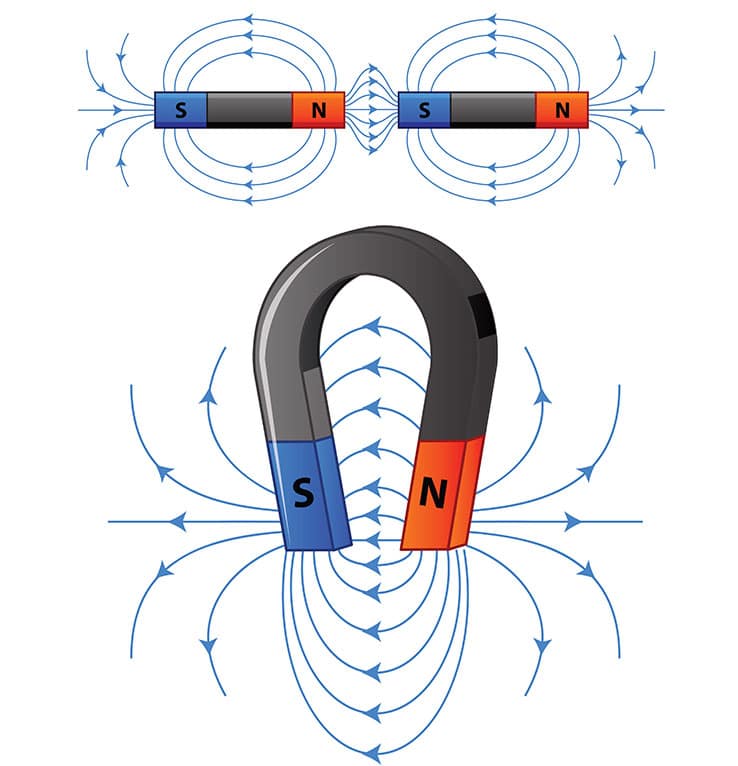
Bar magnets work based on the principles of magnetism. Inside the magnet, microscopic regions called magnetic domains align in the same direction, creating a net magnetic field. The magnetic field lines emerge from the north pole and re-enter the south pole, creating a closed-loop magnetic circuit.
How are the magnetic poles of a magnet determined?
The magnetic poles of a magnet are determined based on its magnetic field lines. These invisible lines form loops from the north pole to the south pole, both inside and outside the magnet. When suspended freely, a magnet will align itself along the north-south direction, with its north pole pointing towards the Earth's geographic north and its south pole towards the geographic south.
Can bar magnets be used in electric circuits?
Yes, bar magnets can be used in various electric circuits and devices. However, they are generally not as practical as electromagnets (temporary magnets created by passing electric current through a coil), which offer more control over the magnetic field.
What are the properties of a bar magnet?
Some key properties of a bar magnet include:
How do I handle and store bar magnets safely?
When handling bar magnets, be cautious to avoid pinching your fingers or getting them caught between attracting poles. Store bar magnets in a cool, dry place away from other magnetic materials to prevent unintended magnetisation or demagnetisation.
Can I customise the size and shape of a bar magnet for my specific needs?
Yes, bar magnets can be customised to different sizes and shapes based on specific requirements. Manufacturers can provide tailor-made bar magnets to suit various applications. Consult with experts to discuss your needs and find the best solution.
Is it possible for bar magnets to become demagnetised?
Yes, bar magnets can be demagnetised under certain conditions. Exposing the magnet to heat, strong external magnetic fields, or physical shocks can cause it to lose its magnetism.
What are the differences between bar magnets and electromagnets?
Bar magnets have a fixed magnetic field, while electromagnets allow for easy control by adjusting the electric current flowing through the coil. Also, electromagnets can be designed to be much stronger than bar magnets due to the ability to increase or decrease the current passing through the coil.